Get Arborist Pruning
Local contractors offer arborist pruning services to improve tree health, remove hazards, shape growth, and address storm damage or overgrown branches.
Arborist pruning services are an important part of maintaining the health and safety of trees on residential or commercial properties. Proper pruning can enhance the appearance of trees, reduce potential hazards, and promote vigorous growth. For property owners exploring options in the area, understanding the benefits of professional pruning can help in planning landscape improvements or ongoing maintenance projects. With many local contractors available, comparing their offerings can ensure the right support for specific tree care needs.
Whether addressing overgrown branches, removing dead or diseased limbs, or shaping trees for aesthetic purposes, experienced arborist pruning can make a significant difference. Property owners seeking reliable assistance can find qualified service providers capable of handling various pruning tasks. Continuing to explore local options allows for informed decisions about how best to care for trees and enhance the overall landscape.
- Tree pruning - needed when overgrown branches threaten property or safety.
- Deadwood removal - required to eliminate dead or diseased branches that can cause hazards.
- Thinning and shaping - performed to improve tree structure and promote healthy growth.
- Storm damage cleanup - necessary after severe weather to remove broken or fallen limbs.
- Fruit tree pruning - essential for maximizing fruit production and maintaining tree health.
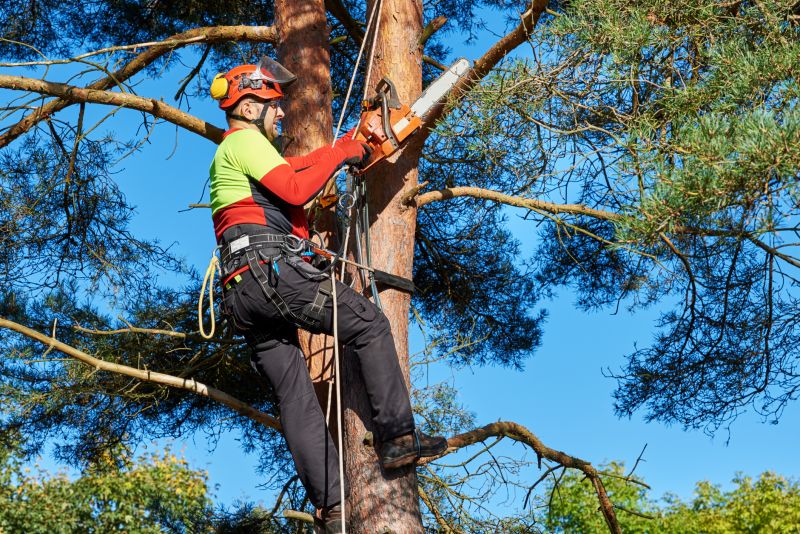
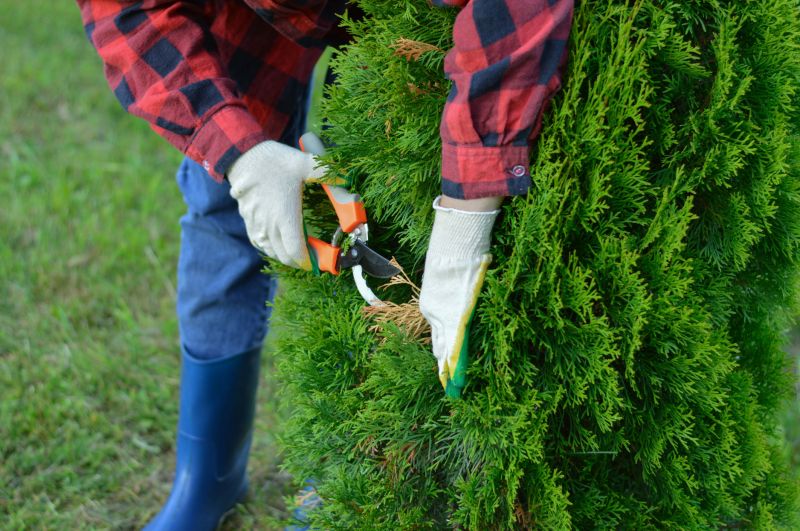
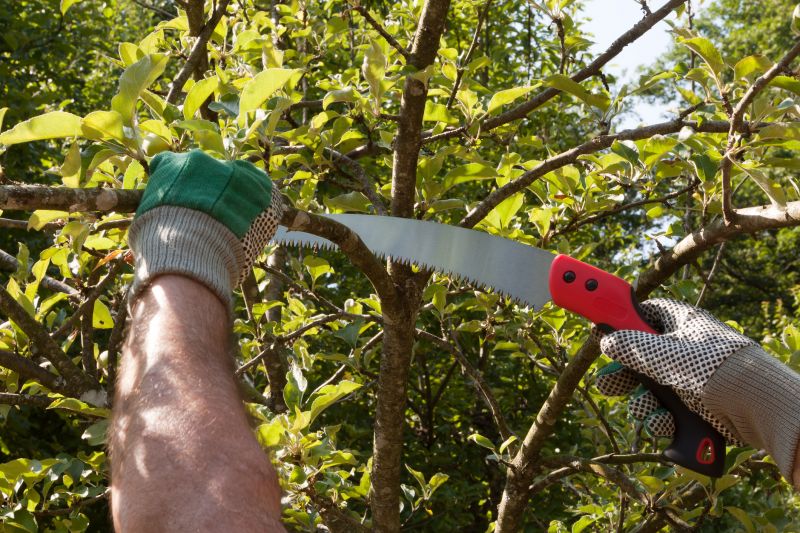
Arborist pruning services involve carefully trimming and shaping trees to promote their health, safety, and aesthetic appeal. Skilled service providers assess each tree’s structure, removing dead, diseased, or overgrown branches that can hinder growth or pose hazards. Proper pruning not only improves the appearance of trees but also helps prevent potential problems such as limb failure or pest infestations. Whether it’s a single tree or multiple specimens on a property, professional arborist pruning ensures that trees remain strong and vibrant over time.
This service is especially useful for addressing common tree-related issues that can develop on residential or commercial properties. Overgrown branches can interfere with power lines, obstruct views, or create hazards during storms. Diseased or damaged limbs can weaken the overall health of a tree, making it more susceptible to pests or decay. Regular pruning can also encourage new growth and improve fruit production for fruit-bearing trees. Property owners who notice uneven growth, dead branches, or branches that threaten structures or walkways should consider professional pruning services.
Properties that typically benefit from arborist pruning include homes with mature trees, landscaped yards, parks, and commercial sites with large or decorative trees. Trees located near buildings, driveways, or walkways are particularly important to maintain for safety reasons. Additionally, properties with trees that have become overgrown or have suffered storm damage often require professional pruning to restore their stability and appearance. Whether for routine maintenance or addressing specific concerns, local contractors can provide tailored pruning solutions suited to the needs of each property.
Engaging with experienced service providers ensures that tree pruning is performed safely and effectively, with attention to the unique requirements of each tree and property. Proper pruning by skilled professionals can extend the lifespan of trees, improve their structure, and enhance the overall landscape. Property owners who notice irregular growth patterns, safety hazards, or simply want to maintain their trees’ health should consider connecting with local arborist pruning specialists. These experts can assess the situation and recommend the appropriate pruning services to keep trees healthy and safe.
The overview below groups typical Arborist Pruning projects into broad ranges so you can see how smaller, mid-sized, and larger jobs often compare in your area.
In many markets, a large share of routine jobs stays in the lower and middle ranges, while only a smaller percentage of projects moves into the highest bands when the work is more complex or site conditions are harder than average.
Small Tree Pruning - typical costs range from $250-$600 for many routine trimming jobs on smaller trees. Most projects fall within this middle range, with fewer jobs reaching the higher end for larger or more complex trees.
Large Tree Pruning - for bigger trees requiring extensive pruning or crown reduction, costs generally start around $1,000 and can go up to $3,000 or more. Larger, more involved projects tend to push into the higher tiers, but many fall in the $1,000-$2,000 range.
Emergency or Hazard Tree Removal - urgent or risky removals often cost between $1,500 and $5,000+, depending on the size and location of the tree. These projects are less common and usually fall into the upper cost brackets due to their complexity and urgency.
Complete Tree Removal - full removal of a tree typically ranges from $500-$2,500 for standard-sized trees, with larger or more difficult removals reaching higher prices. Many projects are completed within the $1,000-$2,000 range, depending on complexity.
Actual totals will depend on details like access to the work area, the scope of the project, and the materials selected, so use these as general starting points rather than exact figures.
Tree Removal - Professionals skilled in tree removal use similar planning and tools as arborists when safely removing trees to improve landscape health or clear space.
Stump Grinding - Stump grinding requires knowledge of tree root systems and the use of specialized equipment, aligning with arborist pruning techniques for site cleanup.
Land Clearing - Land clearing involves removing unwanted vegetation and shaping terrain, which shares planning skills and equipment familiarity with pruning large trees.
Emergency Tree Care - Responding to storm-damaged or hazardous trees involves quick assessment and pruning skills similar to routine arborist pruning services.
Tree Cabling and Bracing - Installing supports for weak branches or trees involves understanding structural integrity, akin to the pruning process to maintain tree health.
Landscape Maintenance - Regular landscape maintenance includes pruning and trimming, requiring the same precision and planning as arborist pruning services.
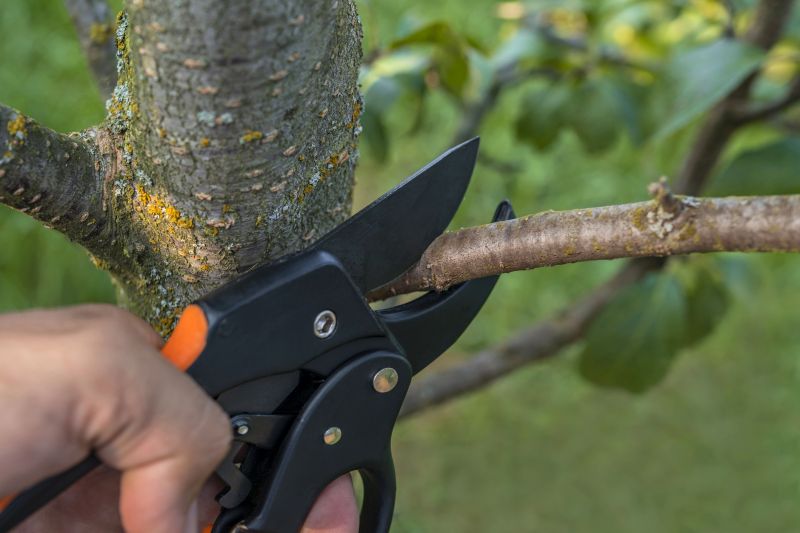
When evaluating arborist pruning services, it’s important to consider the experience local contractors have with similar projects. Homeowners should inquire about how long a service provider has been performing pruning work and whether they have handled trees of comparable size, species, or complexity. An experienced professional is more likely to understand the nuances of proper pruning techniques, which can contribute to the health and safety of the trees, as well as the aesthetics of the landscape. By focusing on a contractor’s background with comparable projects, homeowners can gain confidence that the chosen service provider has the practical knowledge necessary to meet specific pruning needs.
Clear, written expectations are essential when selecting a tree care professional. Homeowners should seek detailed descriptions of the scope of work, including the specific pruning techniques that will be used, the areas to be addressed, and any considerations for tree health or landscape preservation. Having these expectations documented helps ensure that both parties are aligned and reduces the risk of misunderstandings. It’s also helpful to ask how the service provider communicates updates or changes during the project, fostering transparency and trust throughout the process.
Reputable references and good communication are key factors in choosing a reliable arborist pruning service. Homeowners can request references from previous clients to learn about their experiences and satisfaction levels. Additionally, effective communication-such as responsiveness to questions, clarity in explanations, and willingness to discuss project details-can indicate a professional’s commitment to customer service. While the site introduces homeowners to qualified local options, it’s important to remember that the actual work is performed by independent service providers who can handle the job professionally, making thorough research and communication vital steps in the selection process.
Property owners use Arborist Pruning services for practical projects around their homes and businesses. This guide focuses on everyday jobs and straightforward project options.
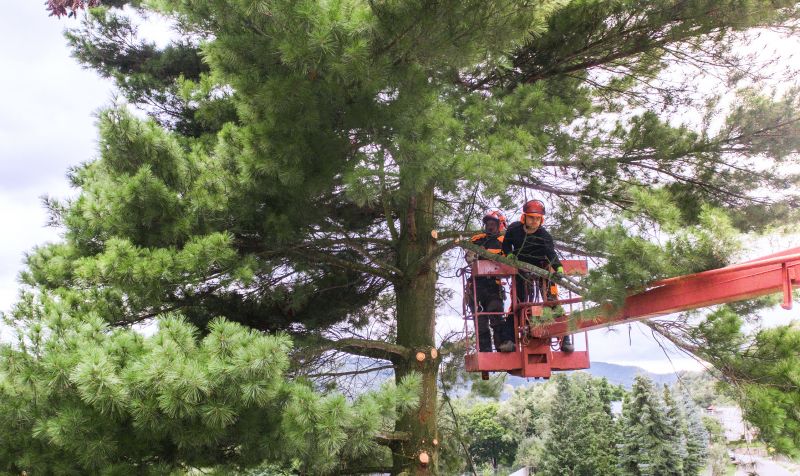
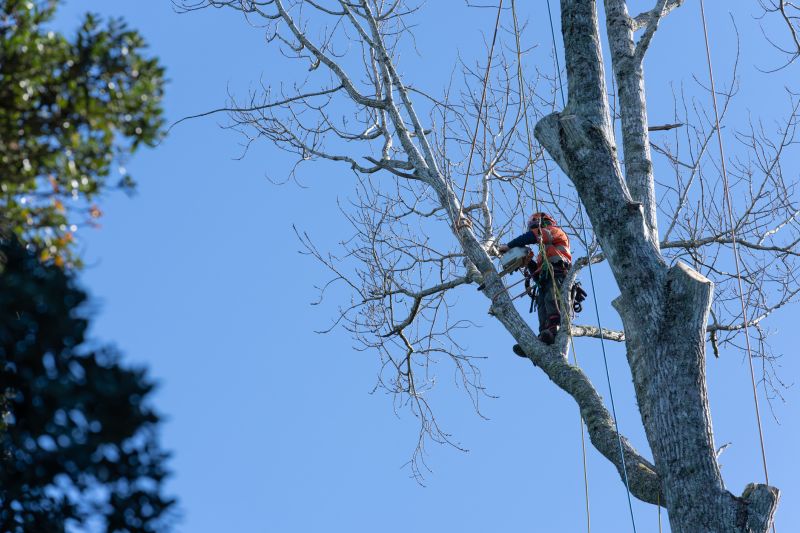
Arborist pruning services are often needed for routine maintenance or to address specific concerns with trees on residential properties. Property owners may seek these services to remove dead or overgrown branches that could pose safety risks, improve the overall health of their trees, or enhance the appearance of their landscape. Local contractors can provide expert pruning to help maintain the safety, beauty, and vitality of trees, whether for aesthetic reasons or to prevent potential damage during storms.
In addition, property owners might look for pruning services when preparing their yard for seasonal changes or special events. Trimming trees to clear pathways, improve sunlight exposure, or prevent interference with power lines are common reasons for seeking professional help. Local service providers are equipped to handle these projects efficiently, ensuring that trees are pruned properly to support the long-term health of the landscape while meeting the specific needs of each property.
What is arborist pruning? Arborist pruning involves selectively trimming and shaping trees to promote healthy growth, improve appearance, and remove dead or hazardous branches.
Why should I consider professional pruning services? Professional pruning helps ensure trees are maintained safely and properly, reducing the risk of damage or disease, and enhancing their overall health.
What types of pruning do local contractors provide? Local service providers typically offer crown thinning, crown reduction, deadwood removal, and formative pruning to suit different tree needs.
How can arborist pruning improve the safety of my property? Proper pruning removes weak or broken branches that could pose a risk of falling, helping to maintain a safe environment around your property.
How do I find qualified arborist pruning services nearby? You can contact local contractors through a lead generation service that connects homeowners with experienced service providers in your area.
Tree Crown Shaping - Property owners can improve the appearance and health of their trees by having branches pruned to create a balanced and attractive canopy.
Deadwood Removal - Removing dead or damaged branches can prevent potential hazards and promote overall tree vitality in residential or commercial landscapes.
Light Penetration Enhancement - Pruning can increase sunlight reaching lawns, gardens, or outdoor spaces beneath trees, supporting healthier plant growth.
Safety Clearance Maintenance - Trimming branches to maintain clearance from walkways, driveways, or structures helps ensure safety and accessibility around the property.
If you are thinking about Arborist Pruning for a property, this guide is meant to help you understand the work, the typical project types, and how different options might fit your plans.
When you are ready, you can use the quote form on this page to share a few details about your project. From there, local pros can review the basics and respond with options that match what you have in mind.